Lost foam casting: a future casting process that combines precision and efficiency
In the field of metal casting, traditional sand casting holds a place due to its cost-effectiveness and flexibility. However, with the increasing demands of industry for casting precision, complexity, and surface quality, a more advanced casting technology—Lost Foam Casting (LFC)—is gaining increasing attention, especially in the production of high-performance components such as wear-resistant parts for crushers.
This article will delve into the principles and core advantages of Lost Foam Casting, and analyze how it can improve production efficiency and product quality while meeting the stringent requirements of modern industry.
🤔 What is Lost Foam Casting?
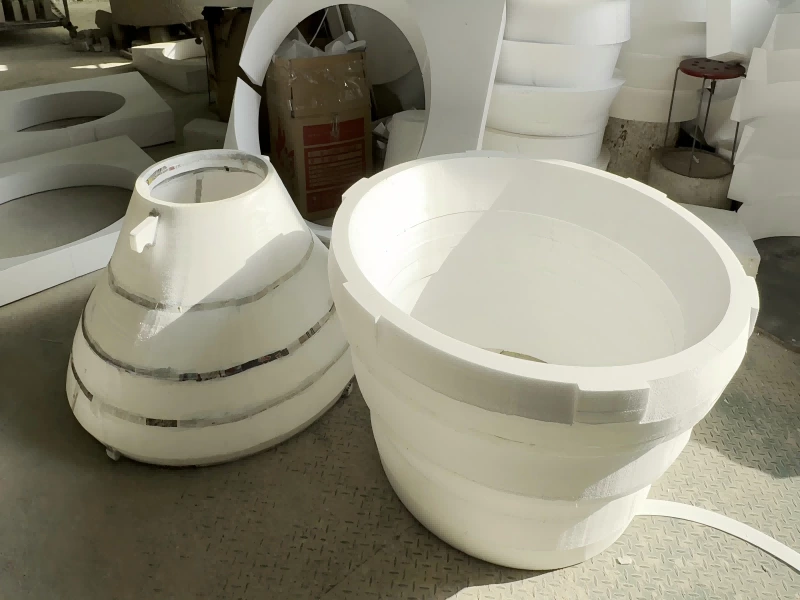
Lost Foam Casting, also known as negative pressure casting, is a novel casting process that involves assembling expandable polystyrene (EPS) foam models into clusters, coating them with refractory paint, drying them, burying them in dry sand, and pouring water under negative pressure. This causes the models to vaporize, molten metal to occupy the model positions, and solidification to form the casting.
Unlike traditional sand casting (which requires the making and disassembly of molds), lost foam casting utilizes a foam model that is directly vaporized under the scouring of high-temperature molten metal, eliminating the need for mold removal and box assembly, thus simplifying the process.
✨ Core Advantages of Lost Foam Casting
Lost foam casting is hailed as the "casting technology of the 21st century" primarily due to the following significant advantages:
1. Superior Casting Precision and Surface Quality
High Dimensional Accuracy: Because the foam model is integrally formed, there is no parting surface, avoiding mold-closing errors. Furthermore, pouring under negative pressure ensures more uniform molten metal filling of the mold, resulting in castings with dimensional accuracy far exceeding that of traditional sand casting, typically reaching CT7-CT9 grade.
Good Surface Finish: The refractory coating on the foam model surface effectively prevents molten metal penetration, resulting in a very smooth casting surface. This reduces subsequent machining, allowing for direct use as the final product. This represents a significant cost saving for wear-resistant parts with high surface finish requirements, such as crusher hammers and liners.
No Burrs or Flash: The integral molding and absence of parting surfaces fundamentally eliminate the generation of burrs and flash in the casting, further reducing cleaning and finishing processes.
2. Ideal for Producing Complex Castings
High Design Freedom: Similar to sand casting in its ability to handle complex shapes, lost foam casting goes a step further. Foam models are easy to cut, bond, and assemble, allowing for the easy creation of castings with complex internal cavities, irregular structures, or multi-layered flow channel designs, which might require multiple cores or complex mold structures in traditional casting.
One-Piece Molding: For complex components requiring assembly of multiple parts, lost foam casting can cast them as a single piece, reducing post-assembly work such as welding and riveting, and improving the overall strength and reliability of the casting.
3. Improved Production Efficiency and Reduced Costs
Simplified Process: Eliminates cumbersome processes such as core making, mold removal, and mold assembly, shortening the production cycle.
Reduced Material Consumption: Dry sand can be recycled, and foam models are relatively lightweight, resulting in lower transportation and storage costs.
Reduced Machining: High precision and good surface quality mean less machining allowance, or even no machining at all, significantly reducing processing time and costs.
Improved Production Environment: Dry sand molding, without binders, greatly reduces dust, harmful gases, and noise generation, improving the workshop environment and meeting the environmental protection requirements of modern factories.
4. Wide Material Adaptability: Lost foam casting can be applied to the casting of various ferrous and non-ferrous metals, including:
Cast Iron: Such as gray cast iron and ductile iron, suitable for manufacturing heavy machinery structural parts.
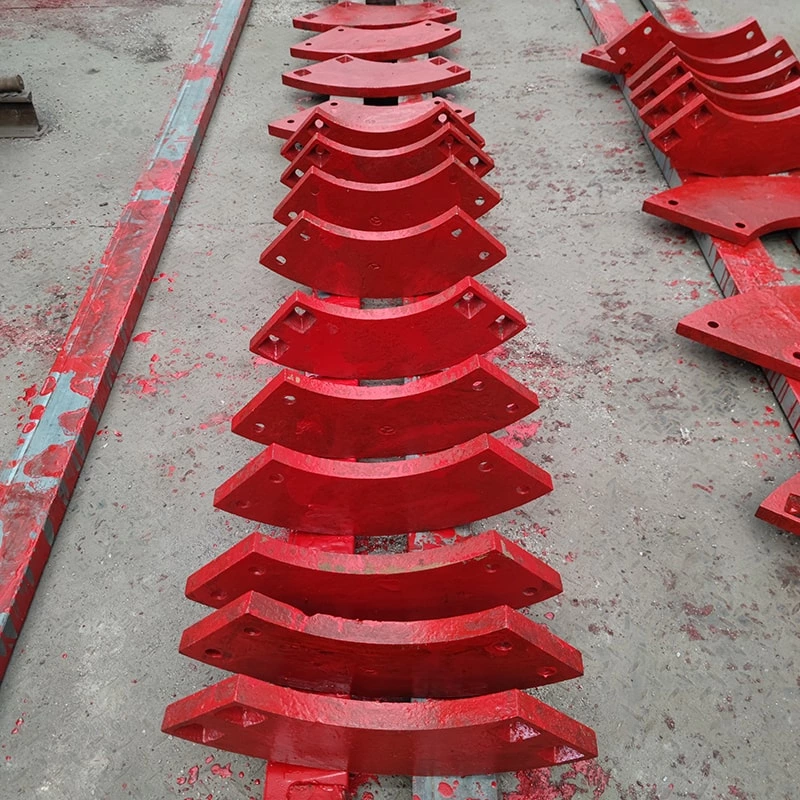
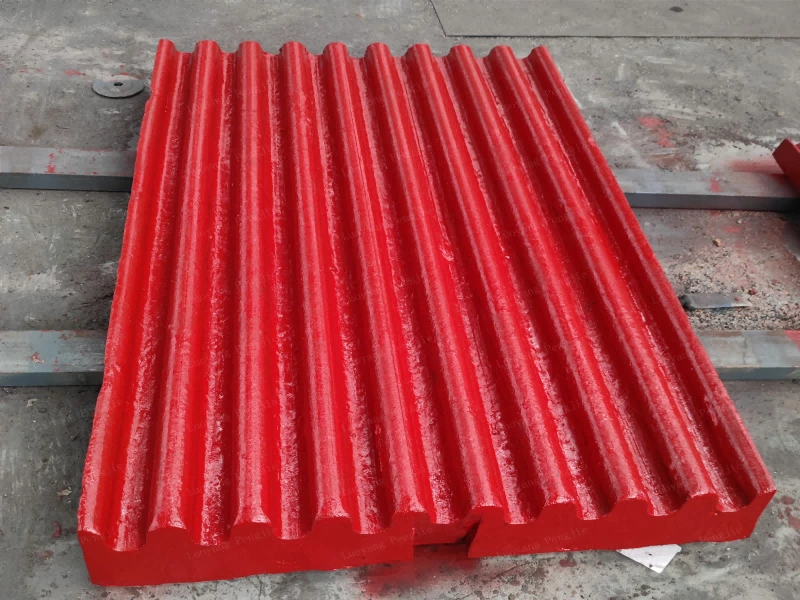
Cast Steel: Especially high manganese steel (such as Mn13, Mn18Cr2MoV) and high chromium cast iron, are ideal materials for producing wear-resistant parts such as crusher hammer heads, blow bars, liners, and jaw plates.
Non-ferrous Metals: Such as aluminum alloys and copper alloys.
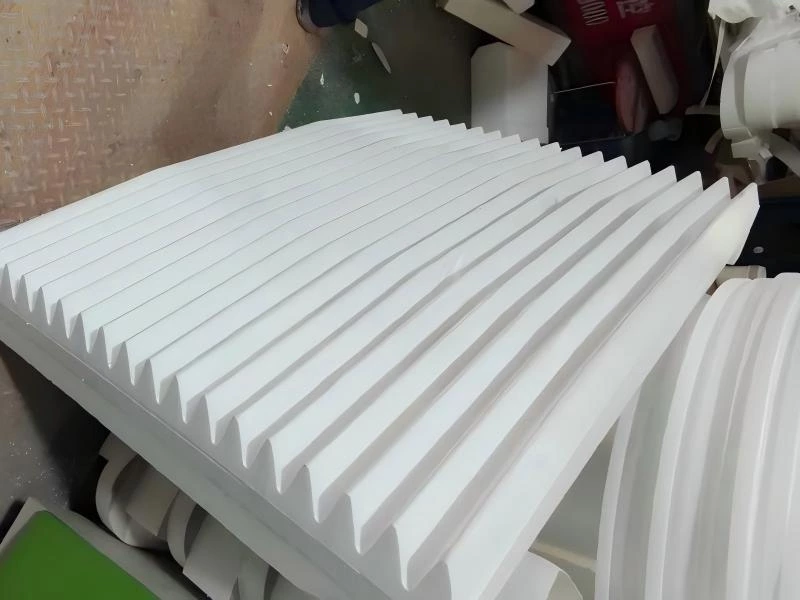
🏭 Application of Lost Foam Casting in the Production of Crusher Wear-Resistant Parts
For factories producing crusher wear-resistant parts, the advantages of lost foam casting are particularly prominent:
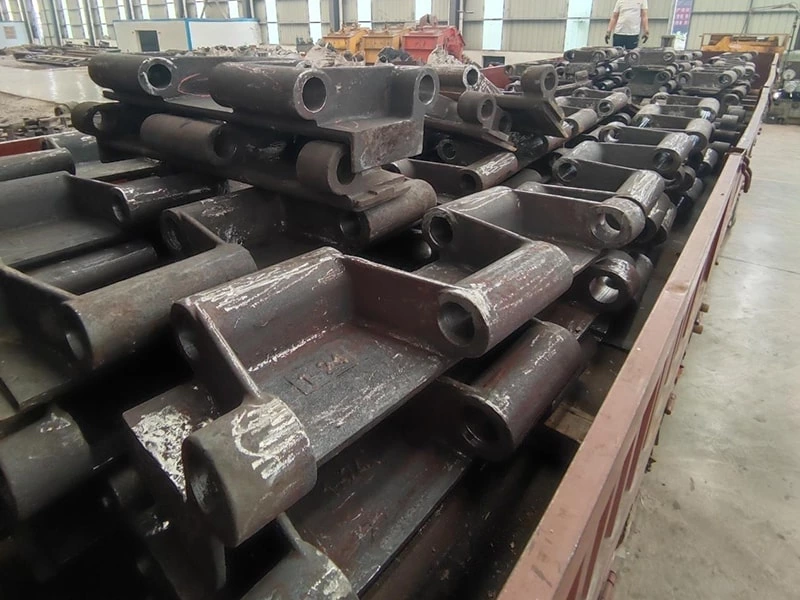
Customized Production: Crusher wear-resistant parts often have complex shapes and need to be customized according to different crusher models. Lost foam casting can produce these customized complex parts with higher precision and efficiency.
Material Performance Optimization: For wear-resistant materials that are difficult to machine, such as high-manganese steel and high-chromium cast iron, lost foam casting can achieve near-net-shape casting, maximizing the preservation of the material's excellent properties and reducing performance loss caused by machining.
Increased Product Life: High-precision castings reduce stress concentration areas. Combined with the excellent properties of the material itself, this can significantly extend the service life of crusher wear-resistant parts, bringing greater value to customers.
📈 Conclusion
Lost foam casting, as an advanced casting technology, plays an increasingly important role in modern manufacturing due to its high precision, high surface quality, ability to produce complex castings, and significant cost and efficiency advantages. For crusher wear-resistant parts factories that pursue excellent product quality, efficient production, and cost optimization, a thorough understanding and application of lost foam casting technology is undoubtedly key to enhancing core competitiveness.
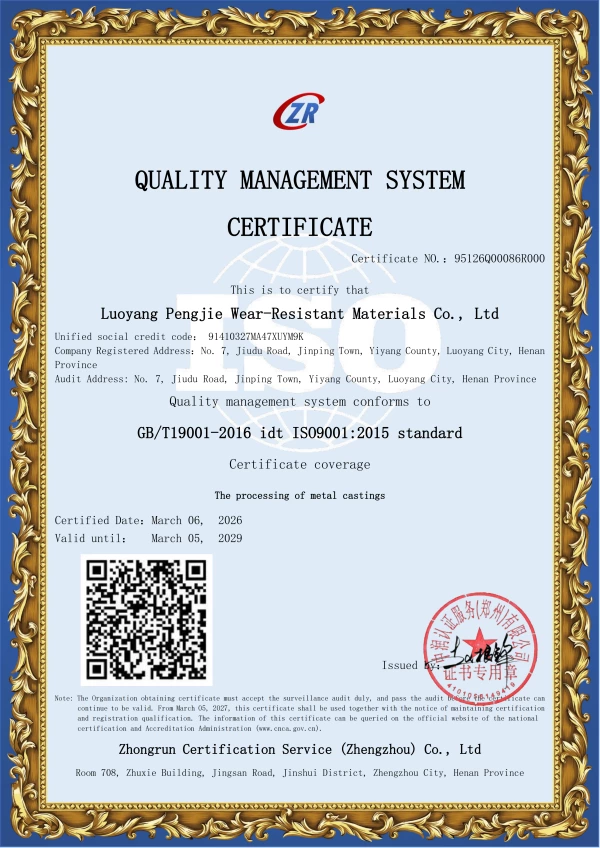
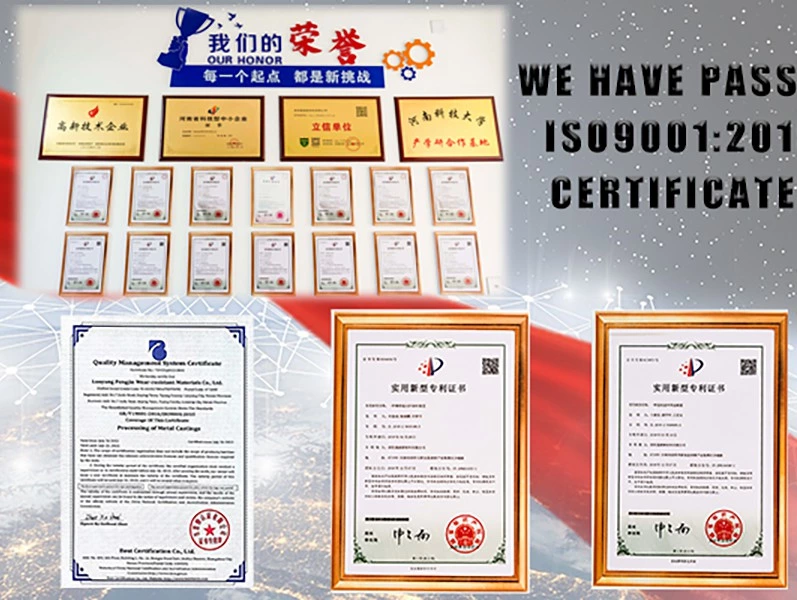
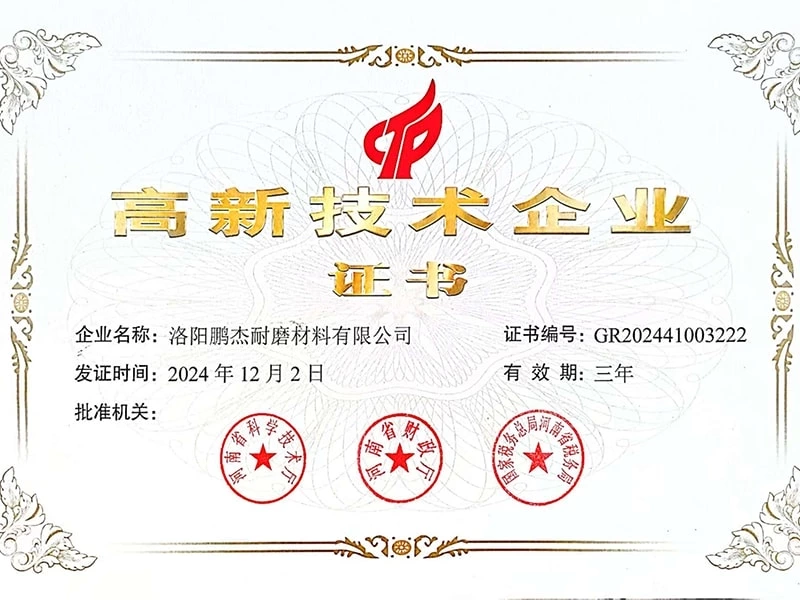
Luoyang Pengjie is a professional manufacturer of high-quality crusher spare parts, holding ISO9001 quality management system certification and 9 utility model patents. The company has a team of senior engineers and experienced production staff to assist you in optimizing and upgrading your production processes, effectively reducing production costs; we also provide quality control throughout the production process, product inspection, and delivery tracking services.
For more information on our products, please feel free to contact us: Email: halebrett1157@gmail.com
📚 References
1. *Foundry Handbook (4th Edition)*: Foundry Branch of Chinese Mechanical Engineering Society. Machinery Industry Press. (2018).
2. J. Campbell. *Complete Casting Handbook: Metal Casting Processes, Metallurgy, Techniques and Design*. Butterworth-Heinemann. (2015).
3. *Lost Foam Casting Technology and Application*: Wang Ping and Wang Yide. Metallurgical Industry Press. (2010).
4. American Foundry Society. *AFS Transactions: Lost Foam Casting Technology and Innovations*. AFS. (Latest version).
5. M.P. Groover. *Fundamentals of Modern Manufacturing: Materials, Processes, and Systems*. John Wiley & Sons. (2010).