REDUCING GRANITE CRUSHING COSTS: THE ROLE OF CRUSHER WEAR PARTS
In the granite quarrying industry, profitability is often a battle against high abrasiveness and rapid equipment wear. Granite’s high silica content makes it one of the toughest materials to process. For many operators, the monthly cost of electricity combined with worn-out jaw plates can severely erode profit margins.
Experienced quarry managers know that true profitability isn't achieved by simply purchasing the cheapest aftermarket parts. It comes from optimizing the service life of crusher wear parts and minimizing unscheduled downtime.
1. Optimize the Crushing Circuit: Reducing Recirculation Load
A scientific crushing flow is the foundation of a profitable operation. Proper configuration reduces unnecessary recirculation and energy waste.
-
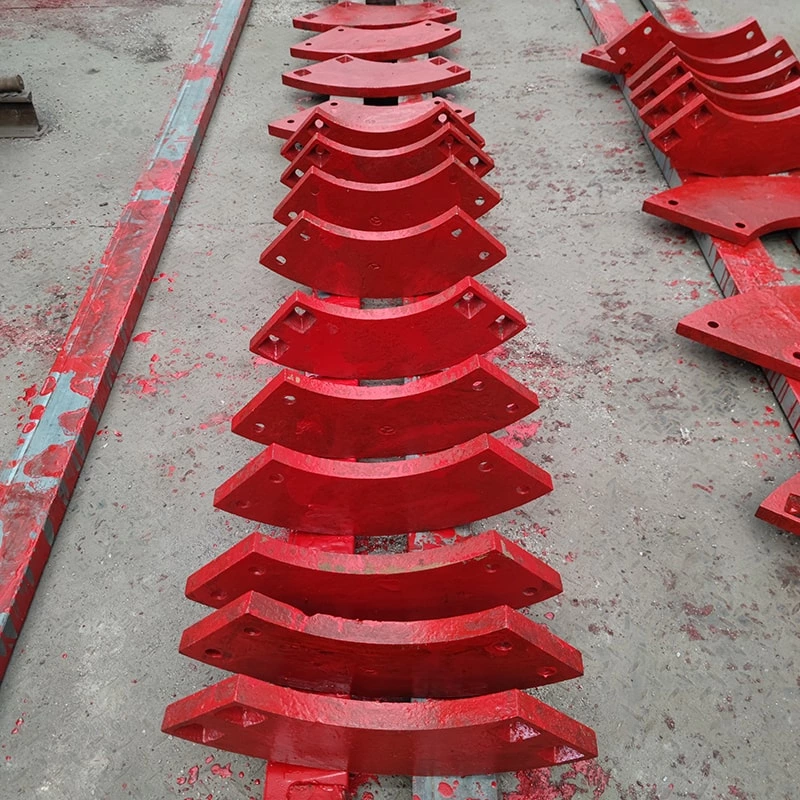
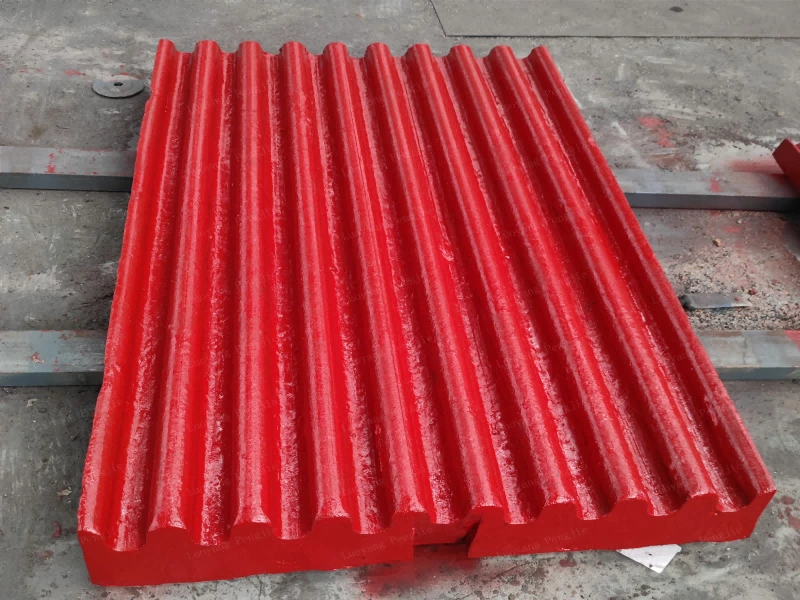
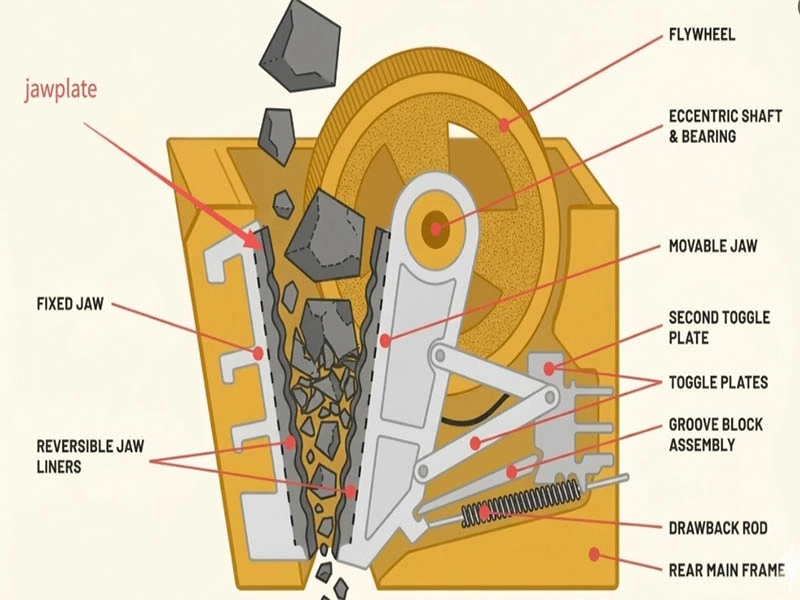
Primary Crushing (Jaw Crusher): Maximize the 6:1 reduction ratio. Utilizing premium high manganese steel jaw plates ensures efficient processing of large granite blocks with minimal wear.
-
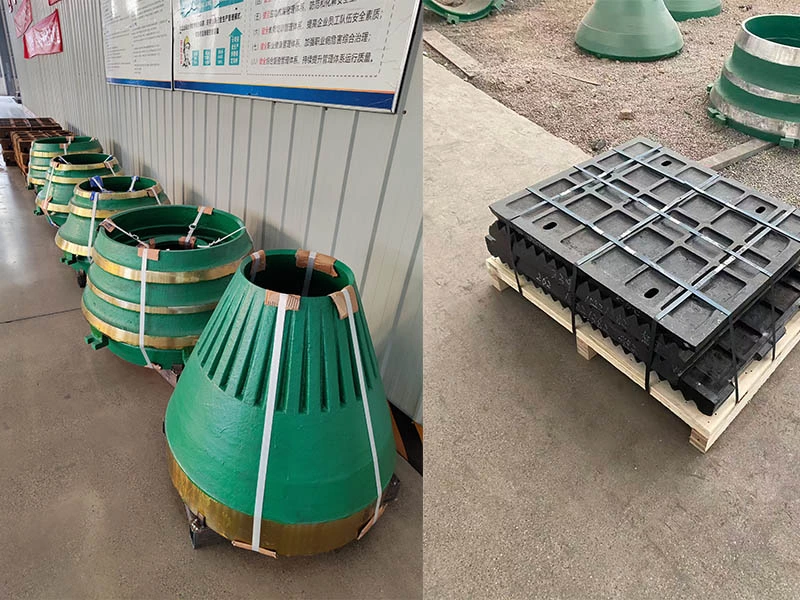
Secondary Crushing (Cone Crusher): Granite requires superior inter-particle crushing. The durability of cone crusher liners (mantles and concaves) determines the consistency of your final grading.
-
Final Shaping (VSI Crusher): For high-performance concrete, VSI crushers enhance cubical shape. Using high-quality VSI spare parts is essential for maintaining throughput.
Reducing Granite Crushing Costs: The Role of Crusher Wear Parts
In the granite quarrying industry, profitability is often a battle against high abrasiveness and rapid equipment wear. Granite’s high silica content makes it one of the toughest materials to process. For many operators, the monthly cost of electricity combined with worn-out jaw plates can severely erode profit margins.
Experienced quarry managers know that true profitability isn't achieved by simply purchasing the cheapest aftermarket parts. It comes from optimizing the service life of crusher wear parts and minimizing unscheduled downtime.
1. Optimize the Crushing Circuit: Reducing Recirculation Load
A scientific crushing flow is the foundation of a profitable operation. Proper configuration reduces unnecessary recirculation and energy waste.
-
Primary Crushing (Jaw Crusher): Maximize the 6:1 reduction ratio. Utilizing premium high manganese steel jaw plates ensures efficient processing of large granite blocks with minimal wear.
-
Secondary Crushing (Cone Crusher): Granite requires superior inter-particle crushing. The durability of cone crusher liners (mantles and concaves) determines the consistency of your final grading.
-
Final Shaping (VSI Crusher): For high-performance concrete, VSI crushers enhance cubical shape. Using high-quality VSI spare parts is essential for maintaining throughput.
2. Implement a Rigorous Maintenance Schedule
As a professional provider of crusher spare parts, we recommend a "Preventative over Reactive" maintenance strategy:
Pre-Operation Inspection:
-
Fasteners: Check all bolts, liners, hammerheads, and wedges for loosening or fractures.
-
Wear Status: Inspect jaw plates, blow bars, and impact plates for cracks, chipping, or uneven wear patterns.
-
Lubrication: Verify oil levels and quality in all bearings to prevent overheating.
Real-Time Monitoring:
-
Ensure stable voltage and current during operation.
-
Monitor vibration and temperature. Any abnormal metallic friction sounds should prompt an immediate shutdown.
-
Strict Prohibitions: Never start the machine under load and strictly prevent tramp iron from entering the crushing chamber.
3. Extending Wear Part Life: Tackling Granite’s Abrasiveness
The high silica content in granite can wear down jaw crusher parts and VSI rotor tips at an alarming rate.
Material Science Upgrades
Many quarries still use standard Mn13manganese steel. However, for hard granite, Mn18Cr2 or Mn18Cr2MoV (molybdenum-alloyed) is the industry standard. These materials develop a significantly harder work-hardening layer under the high-impact conditions of granite crushing.
Advanced Alloy Applications
For VSI crushers, installing tungsten carbide inserts on rotor tips may have a higher upfront cost, but they typically extend service life by 30% sim 50%, drastically reducing the frequency of replacements.
4. Selection Guide for Quality Crusher Wear Parts
When selecting a crusher wear parts supplier, focus on these technical benchmarks:
-
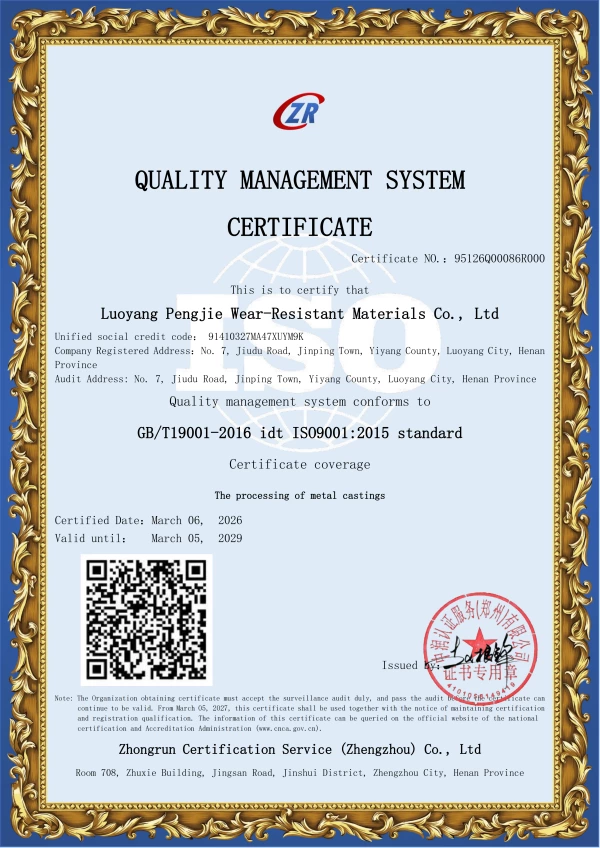
Chemical Composition: For granite applications, Chromium (Cr) content must be above $2\%$. Always request a certified inspection report (MTC) verifying the manganese-to-chromium ratio and hardness values.
-
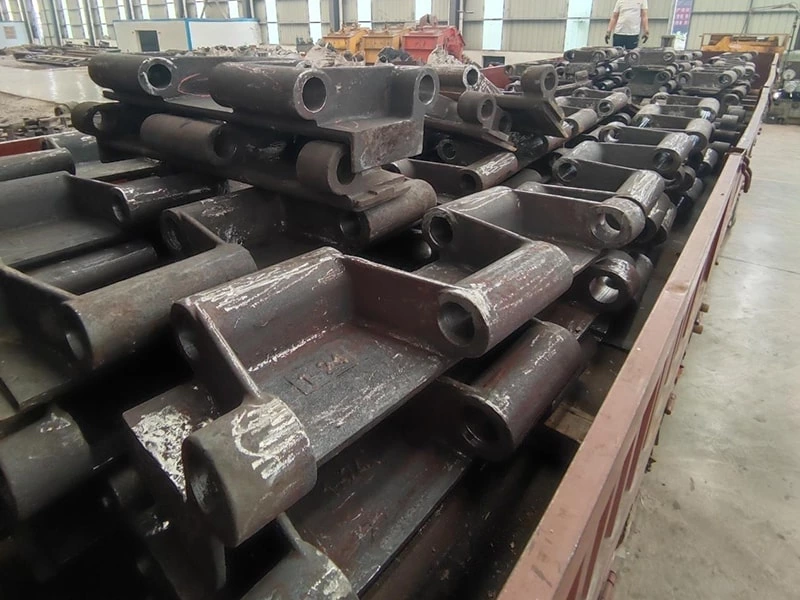
Casting Quality: High-quality crusher accessories should have a smooth finish, free of blowholes or sand inclusions. Surface porosity indicates internal structural weaknesses.
-
Dimensional Precision: Poorly fitted parts require field modifications which damage the crusher's frame. We prioritize zero-tolerance dimensions to protect your machine’s main shaft from uneven stress.
Conclusion: Details Define the Cost Per Ton
In granite processing, every decision—from the crushing circuit design to the selection of high manganese steel jaw plates—directly impacts your bottom line. Choosing wear parts engineered for high-silica environments is an investment in your quarry's cash flow.
If you are struggling with frequent part replacements or rising production costs, our technical experts are ready to assist. We provide customized material analysis and wear-part solutions tailored to your specific site conditions.
References
-
ASTM A128 / A128M: Standard Specification for Steel Castings, Austenitic Manganese.
-
ISO 13500: Petroleum and natural gas industries — Drilling fluid materials — Specifications and testing.
-
China Foundry Association (CFA): Technical Standards for Wear-Resistant Materials.
-
Wills' Mineral Processing Technology: Chapter 12: Crushing and Grinding.
-
ScienceDirect Research: Work-Hardening of Austenitic Manganese Steel.