Why Do My Crusher Jaw Plates Always Break Prematurely? (5 Common Causes And Solutions)
In quarrying and mining production, the jaw crusher is the "first line of defense" in the entire production line, and its operating status directly determines production efficiency. As a core working component of the crusher, a broken jaw plate can not only result in the loss of thousands or even tens of thousands of yuan worth of spare parts, but may also lead to downtime of several hours or even days, with total losses often reaching hundreds of thousands of yuan. Based on years of practical experience in the industry and related technical research, this article analyzes in detail the five most common causes of premature jaw plate breakage, helping mine and quarry workers to accurately diagnose problems and avoid repeated losses.
- Casting defects – inherent quality risks and the core cause of fracture
- Abnormal Equipment Operating Conditions – “Brutal Damage” Caused by Improper Operation
- Failure of Components – A Chain Reaction Triggered by Small Part Failure
- Fatigue Fracture – The Cumulative Effect of Long-Term Losses
- Foreign Object Ingress – An “Accidental Injury” That Cannot Be Ignored
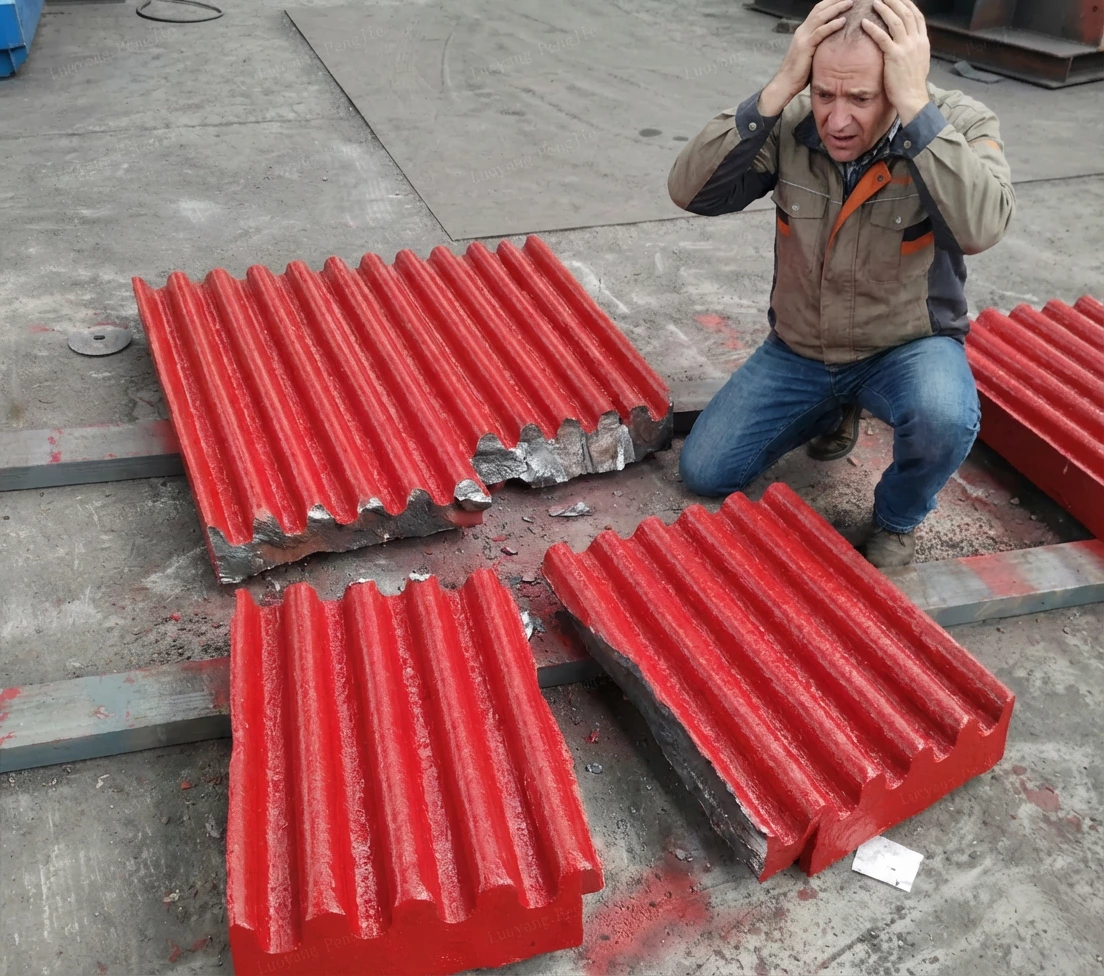
☝Abnormally fractured jaw plate of crusher☝
I. Casting defects – inherent quality risks and the core cause of fracture
Problem manifestation
The jaw plate broke shortly after being put into use (far below its normal service life). The fracture surface clearly showed traces of casting defects, with no obvious signs of long-term wear.
root cause
Inadequate process control during jaw plate casting can easily lead to various quality defects, directly reducing the material's strength and toughness. These defects include:
- Large grains: The metal crystal structure is loose and does not form a fine structure, which leads to a decrease in the overall load-bearing capacity of the jaw plate and makes it prone to stress concentration;
- Widmanstätten structure: This is an overheated structure that significantly increases the brittleness of the material, reduces its impact resistance, and makes it prone to cracking under alternating loads;
- Non-metallic inclusions: Impurities in the casting raw materials are not completely removed and accumulate in local areas, becoming the core points for crack initiation;
- Dense porosity: When gas in the molten metal is not completely expelled during casting, tiny cavities are formed inside, compromising the integrity of the material.
Analysis of a PE400×600 jaw breaker's moving jaw fracture case revealed that coarse grains, Widmanstätten structure, and non-metallic inclusions were the main causes of its short-term fracture. These defects rapidly propagate into macroscopic cracks when the jaw plate is subjected to alternating crushing loads, ultimately leading to fracture.
Solution
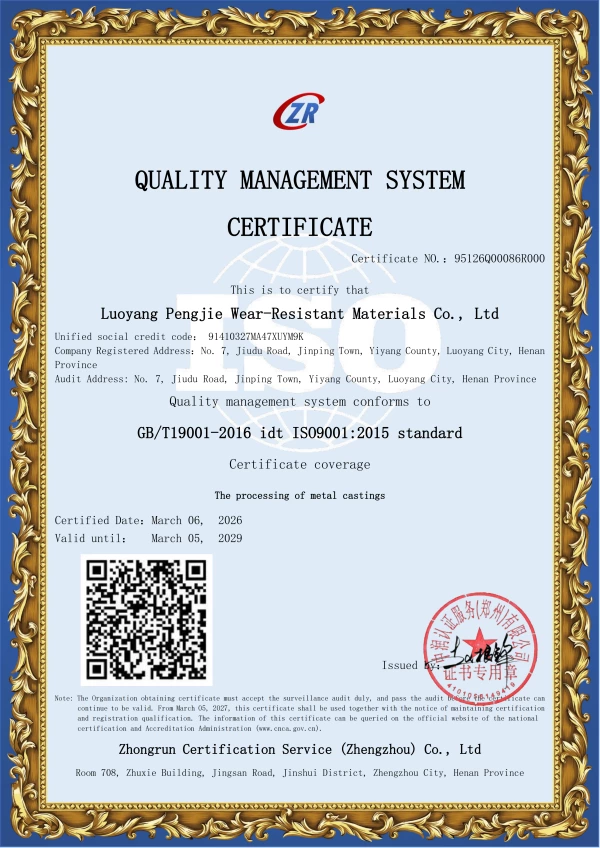
- Prioritize selecting reputable suppliers with ISO9001 quality certification and professional material testing capabilities to control casting quality from the source.
- When purchasing, proactively request material testing reports and focus on verifying whether the metallographic structure and chemical composition meet industry standards.
- Sampling flaw detection was conducted on the bulk-purchased Wear Resistant Jaw Plates to rule out potential casting defects.
II. Abnormal Equipment Operating Conditions – “Brutal Damage” Caused by Improper Operation
Problem manifestation
the Crusher jaw plate also exhibits abnormal wear, resulting in unusual noises and increased vibrations during equipment operation.
root cause
Improper equipment operating conditions or component wear can significantly increase the stress on the jaw plate , exceeding its design load capacity. Specifically, this includes:
- The discharge opening is too small: the material is excessively compressed in the crushing chamber, the crushing force increases exponentially, and the fixed jaw plate and swing jaw plate are subjected to excessive load for a long time.
- Improper feeding position: The material is biased towards one end of the jaw plate , resulting in local overload. Long-term uneven stress can easily lead to local breakage.
- Swing jaw plate displacement: The Swing jaw plate shifts within the frame, with one bottom end colliding with the frame side guard plate, indirectly increasing the stress on the jaw plate ;
- The angle of the hopper is too steep: the material directly impacts the head of the moving jaw, forming an instantaneous impact load. Repeated impacts will accelerate the formation of cracks in the jaw plate .
Solution
- Strictly follow the equipment specifications and adjust the discharge port size to avoid excessive material compression;
- Ensure continuous and uniform feeding, keep the feed position centered, and avoid local overload;
- Regularly check the position of the moving jaw, and adjust and fix it in time if displacement is found to avoid collision damage;
- Optimize the angle of the hopper and add a buffer device to prevent materials from directly impacting the jaw plate .
III. Failure of Components – A Chain Reaction Triggered by Small Part Failure
Problem manifestation
the jaw plate breaks, it is often accompanied by damage to related components such as the cheek plates and tie rod springs, which is a typical cascading failure phenomenon.
root cause
A jaw crusher is a complete load-bearing system. Failure of its components will directly transfer the load to the jaw plate , compromising the equipment's protection mechanisms. Specifically, this includes:
- Tie rod spring tension failure: unable to effectively buffer the impact load during the breaking process, causing the impact force to act directly on the jaw plate ;
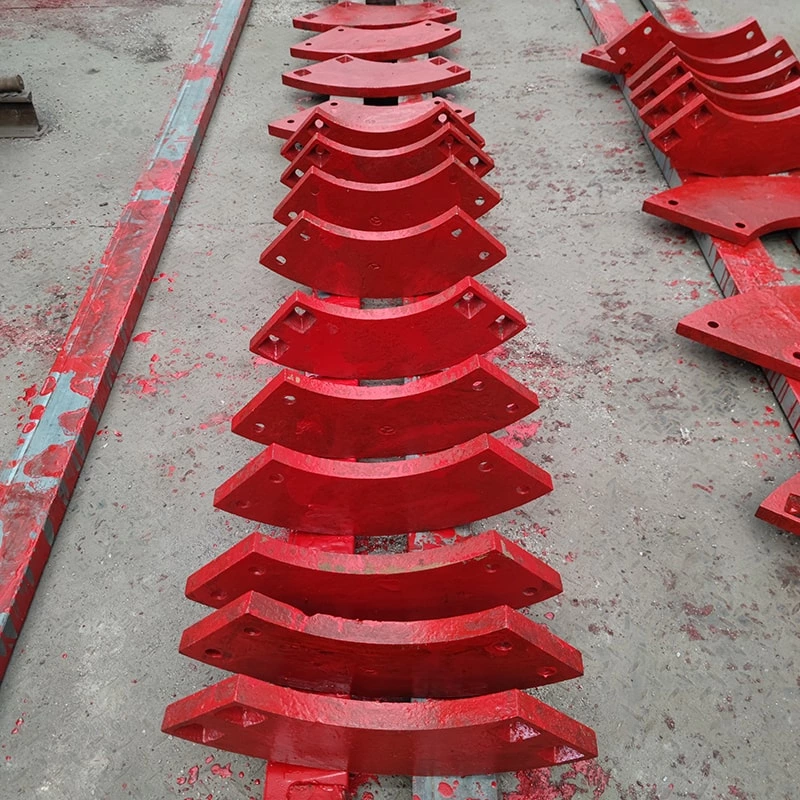
- Substandard elbow plate: The use of substandard elbow plates and elbow plate pads means that when subjected to strong impacts, the elbow plates do not self-break as designed, but instead transfer the impact force to the jaw plate .
- Elbow plate structural defects: Some "S" shaped elbow plates have unreasonable structural design problems, which makes them prone to breakage, leading to abnormal stress on the jaw plate .
Cheek plates are the "safety fuse" of a jaw crusher. Under normal circumstances, when large, non-crushable materials enter the crushing chamber, the toggle plate will break first, protecting core components such as the jaw plate . If there are problems with the quality or structure of the toggle plate, the protection mechanism will fail, and the jaw plate will become the "scapegoat" and break.
Solution
- Check the tension of the pull rod springs weekly, and replace them promptly if they are found to be faulty or worn, to ensure that the buffer function is normal.
- Use original or quality-standard elbow plates and elbow plate pads to avoid inferior parts.
- Optimize the elbow plate structure to improve its static and fatigue properties and enhance its protective function.
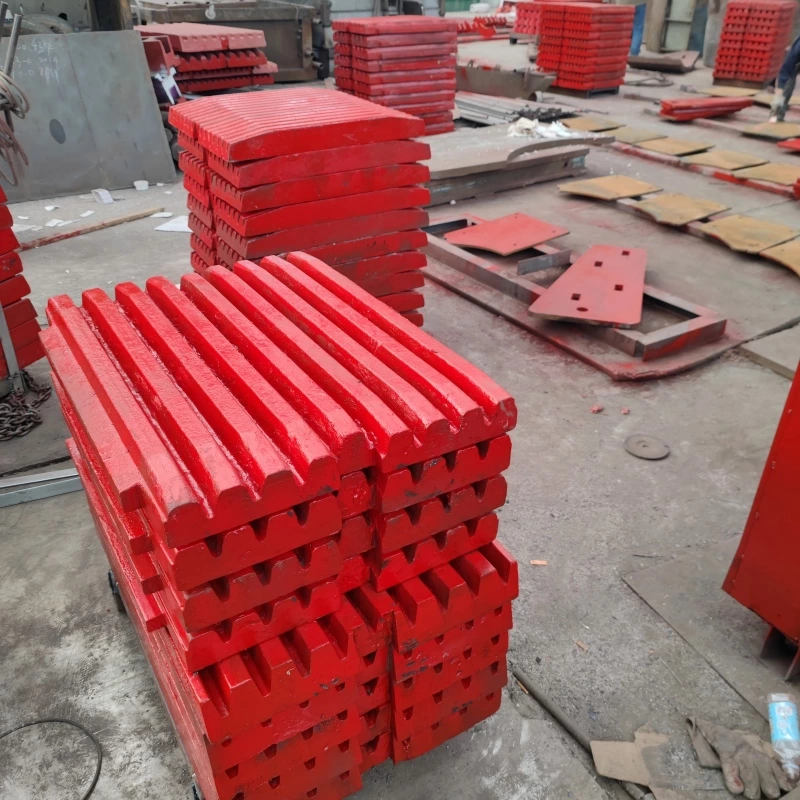
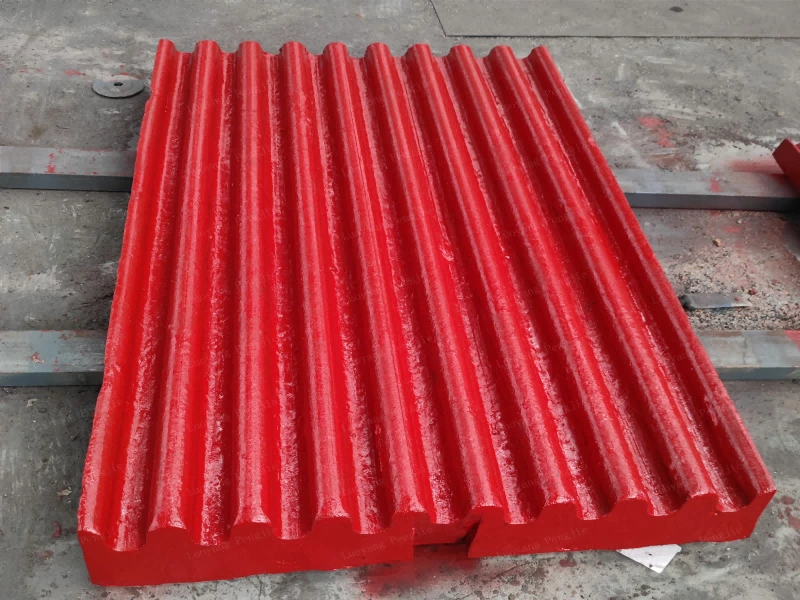
☝High manganese steel jaw plate ☝
IV. Fatigue Fracture – The Cumulative Effect of Long-Term Losses
Problem manifestation
The jaw plate had been in use for a long time and had not experienced any obvious overload or foreign object impact, but it suddenly broke, with obvious signs of fatigue crack propagation at the fracture surface.
root cause
Fatigue fracture is a common failure mode of metallic materials under long-term alternating stress. The fatigue fracture of the jaw plate mainly stems from the following three points:
- Stress concentration: Problems such as sharp corners and abrupt changes in dimensions in the jaw plate structure design, or deviations during installation, can make these areas the initiation points for fatigue cracks.
- Frequent start-stop: Frequent starting and stopping of equipment will generate instantaneous impact loads, accelerating crack propagation;
- Excessive vibration: The equipment is not installed on a solid foundation or has poor balance performance, which generates additional alternating stress during operation and aggravates fatigue damage to the jaw plate .
Related technical research indicates that fatigue fracture, caused by frequent and repeated stress or stress concentration, is one of the main causes of mechanical component failure. This mechanism also applies to jaw plate crushers . Finite element analysis of the moving jaw of the BP900/600 jaw crusher also confirms that by detecting the displacement and stress fields, potential fatigue fracture hazards can be accurately located, providing a basis for structural improvements.
Solution
- Monthly dye penetrant testing is used to check for microcracks on the surface and inside of the jaw plate , and potential hazards are addressed promptly.
- Avoid prolonged continuous overload operation of equipment, and reasonably schedule downtime for maintenance to mitigate fatigue damage;
- Reinforce the equipment installation foundation, adjust the equipment balance, and reduce additional vibrations during operation.
V. Foreign Object Ingress – An “Accidental Injury” That Cannot Be Ignored
Problem manifestation
The jaw plate suddenly breaks, accompanied by a loud impact sound. After the machine stops, metal foreign objects and oversized pieces of material can be found in the crushing chamber.
root cause
During mining and crushing processes, various foreign objects are difficult to completely avoid. Once inside the crushing chamber, they cannot be crushed and will generate enormous localized stress on the jaw plate , directly leading to fracture. These include:
- Metal parts mixed in: excavator bucket teeth, drill bits, anchor bolts and other metal parts left over from mining operations, which are much harder than the jaw plate ;
- Oversized material: Oversized material that exceeds the maximum feed size designed for the equipment cannot be crushed after entering the crushing chamber, resulting in excessive stress on the jaw plate in some areas;
- Non-crushable materials: Concrete blocks, high manganese steel waste, etc., mixed in with the material have high hardness and toughness, which can easily cause the jaw plate to break upon impact.
Solution
- Iron removers and metal detectors are installed in the feeding process to promptly remove metal foreign objects mixed into the materials.
- A screen is installed on the feed belt to screen out oversized materials in advance and prevent them from entering the crushing chamber;
- Operators should increase inspections and promptly stop the machine for inspection if any abnormal feeding or unusual noises are found, in order to prevent foreign objects from damaging the jaw plate .
VI. Real-world economic loss cases of jaw plate fracture
A research report from the University of Wisconsin documented a catastrophic jaw crusher failure: On January 20, 2024, the moving jaw of a jaw crusher in an open-pit mine broke, causing the entire production line to come to a complete halt. The direct economic loss from this failure exceeded $700,000 (approximately 5 million RMB), not including indirect losses such as damage to the company's reputation and delayed customer order deliveries. For small and medium-sized quarries, a single jaw plate breakage can lead to a significant reduction in annual profits.
Conclusion: Prevention is key; systematic management of jaw plate fracture issues is essential.
jaw plate fracture is rarely caused by a single factor; it is mostly the result of a combination of factors, including casting defects, abnormal equipment conditions, component failure, fatigue damage, and impact from foreign objects. Therefore, solving the jaw plate fracture problem requires establishing a systematic preventative maintenance system, with specific measures as follows:
| Preventive measures | Execution frequency | person in charge |
| Choose high-quality suppliers and strictly control the materials used in the jail plate manufacturing process. | When purchasing | Purchasing Department |
| Ensure continuous and uniform feeding, with the feed position centered. | Each class | Operator |
| Check the tension of the pull rod spring and replace any faulty parts promptly. | weekly | Repairman |
| Inspect the elbow plate for wear and damage. | weekly | Repairman |
| Adjust the ore discharge outlet to the specified range according to production needs. | When needed | Technicians |
| Install metal detectors and iron removers to remove foreign objects. | One-time installation (regular inspections after installation) | Technological Upgrading Project Team |
| Regularly inspect the jaw plate for cracks and address potential hazards promptly. | per month | Quality inspector |
For quarries and mines, establishing a comprehensive preventative maintenance system in advance is far more effective than reactive repairs after a jaw plate fractures. Industry experience shows that providing professional training to operators and maintenance teams, and standardizing equipment operation and maintenance procedures, is key to reducing the probability of jaw plate fractures and minimizing economic losses.
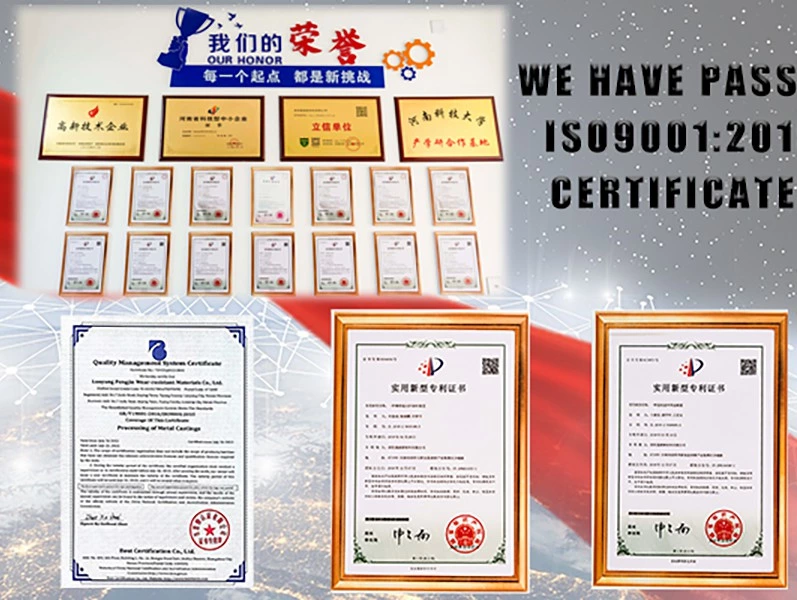
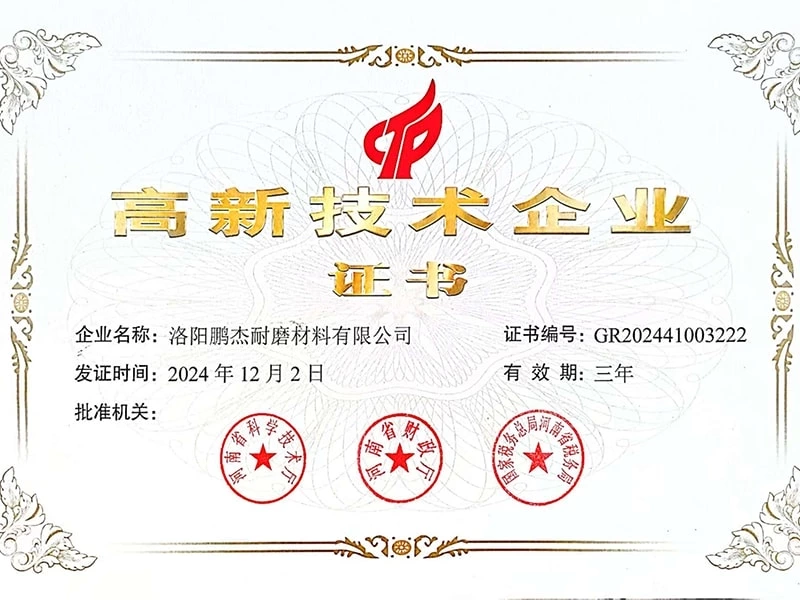
Luoyang Pengjie, a professional manufacturer of wear-resistant parts for crushers, holds ISO9001 quality certification and 9 utility model patents, focusing on solving industry pain points such as jaw plate breakage and wear. We not only provide high-quality jaw plates that meet high standards , but also offer material selection advice and on-site condition diagnosis services tailored to our clients' production conditions, helping them fundamentally reduce jaw plate wear and achieve cost reduction and efficiency improvement.
References
1. Causes of Jaw Fracture in PE400×600 Jaw Crusher and Its Improvement Methods [C]. Proceedings of the Third Pan-Pearl River Delta Advanced Manufacturing Forum (Nine Provinces and Two Regions), 2006 .
2. Katakura A, et al. Material analysis of AO plate fracture cases[J]. J Oral Maxillofac Surg, 2004, 62(3): 348-352. DOI: 10.1016/j.joms.2003.05.009. https://pubmed.ncbi.nlm.nih.gov/15015169/
3. Ritchie P B. Risks of an Operational Bottleneck in Mining due to the Catastrophic Failure of a Jaw Crusher[D]. University of Wisconsin--Stout, 2025. https://minds.wisconsin.edu/handle/1793/95575
4. Analysis on the Improvement of the Toggle Plate Structure of a Jaw Crusher in Mining [J]. Machinery Management, 2020(6). https://mall.cnki.net/magazine/Article/JSGL202006035.htm
5. Communications on Applied Nonlinear Analysis. A two-year study of the maintenance log of jaw crushers in a cement plant[J]. 2025. Quoted from Construction World report .
6. Construction World. Crushing It![EB/OL ] . 2025-08-29. https://www.constructionworld.in/gold/heavy-construction-equipment/crushing-it-/78137
7. Numerical simulation of the moving jaw of the BP900/600 jaw crusher [J]. Coal Mine Machinery, 2010(5). https://www.chinacaj.net/MKJX/201005/199739